
This post documents personal experience informed by published research. It is not medical advice. Thyroid medication should only be adjusted with a prescribing clinician.
Why I tried red light on my thyroid
I didn’t start with a device or a protocol. I started with the research. I came across multiple human studies using photobiomodulation (also called low-level laser therapy, LLLT) applied directly over the thyroid in people with chronic autoimmune thyroiditis.
What stood out wasn’t hype — it was the outcomes being measured: thyroid antibodies, ultrasound morphology, vascularization, and medication requirements. That made this feel worth exploring carefully.
The timeline: what I actually did
Phase 1: Red light alone
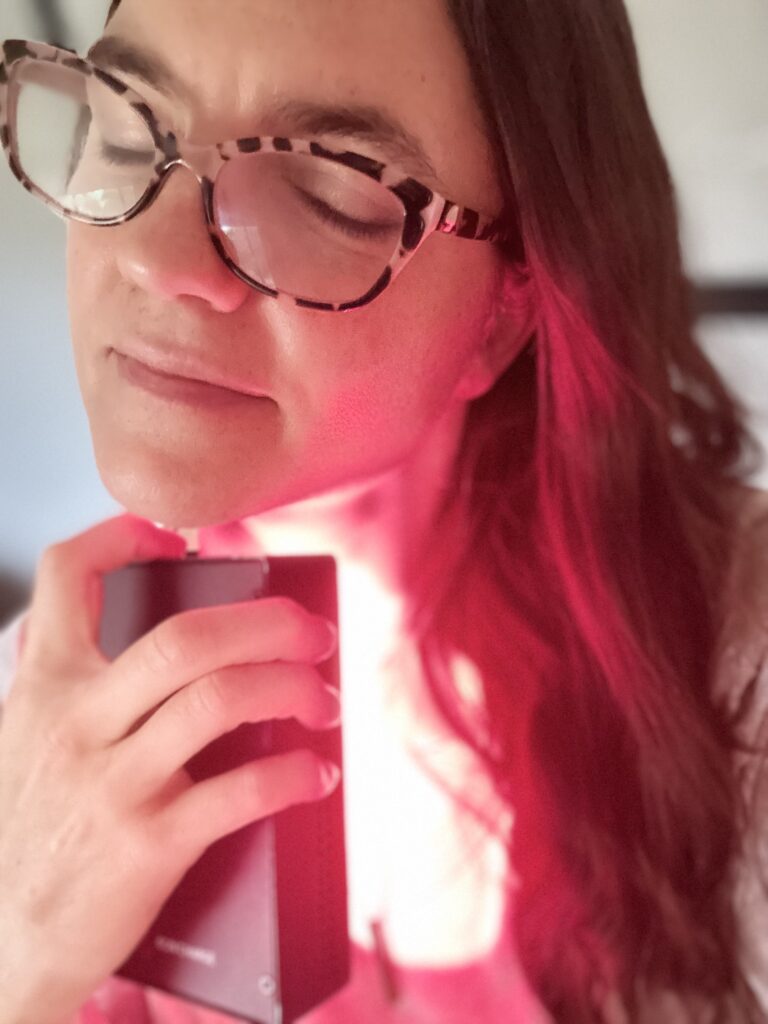
I began using red light over my thyroid daily. Some days the exposure was very brief — on the order of seconds. Other days, depending on time and how my body felt, sessions were longer, sometimes up to 30 minutes.
I didn’t treat this as “more is better.” I treated it as responsive use. Consistency mattered more than precision.
- Frequency: Daily
- Duration: ~6 months
- Observation: Modest but noticeable improvement
- Medication: Under medical supervision, NP Thyroid was adjusted from 125 mg → 95 mg
This phase mattered because it established a baseline: red light alone appeared to support thyroid tissue, but it wasn’t dramatic or fast.
Red light devices I’ve used:
Bon Charge red light therapy
Phase 2: Adding LifeWave X39
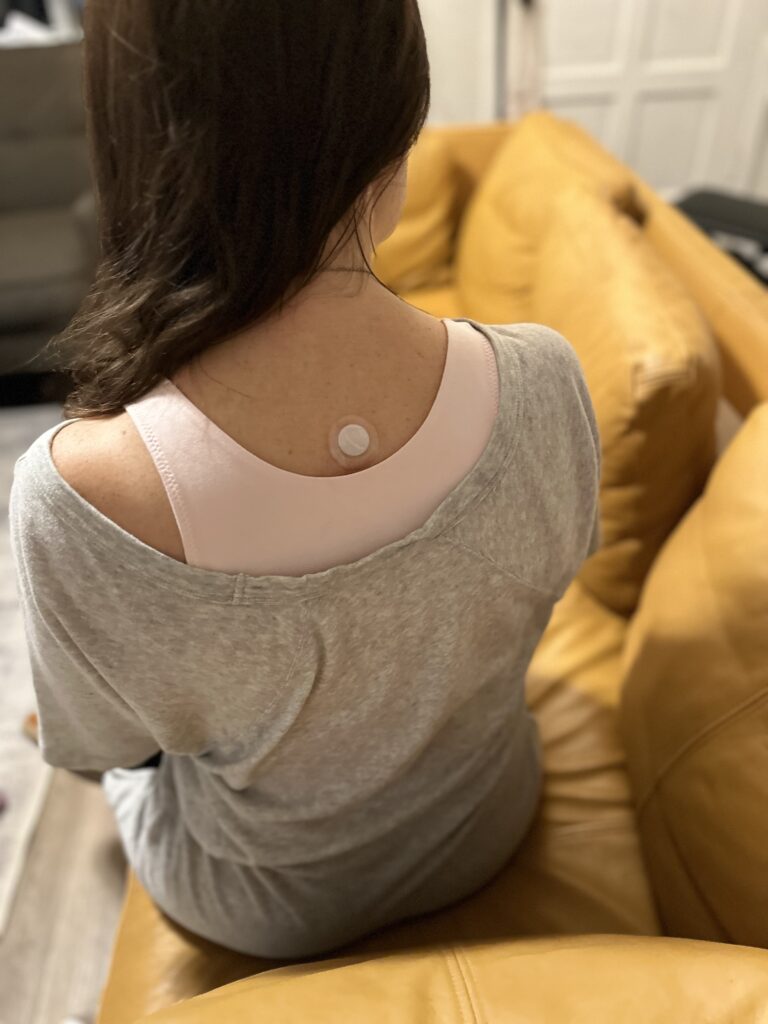
After months of red light alone, I added the LifeWave X39 patch. This is where the slope changed.
- Medication: Under supervision, 95 mg → 70 mg in ~6 weeks
The simplest way I can say this without overselling anything: red light helped, and supporting cellular signaling changed the response.
LifeWave X39 (reference link):
https://www.lifewave.com/BrennaMay
What the research actually supports
Human thyroid photobiomodulation studies exist — but they are specific. Most use clinic-based 830 nm low-level laser protocols delivered across a defined number of sessions. There is no single standardized dosing model.
Some studies used very brief exposure per treatment point, others longer total sessions. Because of this variability, daily short exposure should be understood as research-informed, not universally validated.
Human Studies: Photobiomodulation & Autoimmune Thyroiditis
- Randomized controlled trial — CAT-induced hypothyroidism
830 nm LLLT; reduced replacement needs, improved antibodies and ultrasound morphology.
PMID: 22718472 - Pilot study — chronic autoimmune thyroiditis
Early evidence of antibody reduction and tissue changes.
PMID: 20662037 - Long-term follow-up
Demonstrated durability and safety of LLLT effects.
PMID: 30532779 - Doppler ultrasound / vascularization
Improved thyroid microcirculation post-LLLT.
DOI: 10.5402/2012/126720 - Immune signaling (TGF-β1)
Suggests immune modulation without hyperthyroid induction.
PMID: 25101534
Context that matters
More recently, I dealt with a gut infection that affected how my thyroid felt and functioned. Because gut-thyroid interactions are well documented, I’m planning to retest labs in about six weeks before drawing conclusions.
I’m including this because real physiology is rarely linear. This post is a record of observations, not a fixed endpoint.
Update — January 2, 2026
Over the past six weeks, I’ve continued using both red light and X39, with evening sessions while reading and castor oil applied over the thyroid beforehand.
Duration still varies day to day. I’m noting this as context, not instruction.
Related reading
Brenna May
Functional wellness research & lived experience
This post is for educational purposes only and is not a substitute for individualized medical care.