
There are two kinds of gingerbread people.
The roll-it-out, frost-it, make-it-pretty crowd — and the soft, chewy, straight-from-the-cooling-rack crowd.
Both are correct.
What matters is that gingerbread still tastes like gingerbread: warm spices, depth, a little bitterness, and that unmistakable molasses backbone. These recipes keep the tradition intact while making it work for grain-free, low-glycemic baking — no flours that crumble, no sweeteners that hijack the flavor, and no “this is good for what it is” energy.
This post gives you both classic gingerbread styles, adapted to behave beautifully without grains — because sometimes structure matters, and sometimes joy matters more.
What Makes Gingerbread Gingerbread
Let’s be clear about one thing up front.
Blackstrap molasses isn’t a swap or a “nice to have.” It’s the flavor. It brings bitterness, mineral depth, and that dark, almost smoky note that defines gingerbread. The amount used here is modest and intentional — enough to preserve tradition without turning this into a sugar bomb.
These are holiday cookies, not everyday fuel. They’re meant to be shared, frosted, eaten warm, and remembered.
Two Gingerbread Styles, One Dough Philosophy
Both recipes are:
- Grain-free
- Gluten-free
- Low-glycemic by design
- Built to behave (no crumbling, spreading disasters, or gummy centers)
What differs is structure.
Why Tigernut Flour (and When Almond Flour Makes Sense)
I originally tested these gingerbread cookies with almond flour, but after repeated batches, I landed on tigernut flour for both flavor and texture.
Tigernut flour behaves differently than almond flour:
- It has a finer, more flour-like grind, closer to traditional wheat flour
- It naturally spreads more due to its starch and sugar content
- It browns more readily
- It produces cookies with crisper edges and a tender, cohesive bite, rather than a cake-like crumb
- It is naturally sweet, so less sweetener is needed.
- It is more gut friendly, being a tuber, rather than a nut, which can be inflammatory for some people
That combination — finer texture with controlled spread — is what gives tigernut flour a more classic cookie feel when handled correctly. With proper chilling and shaping, the results are closer to traditional gingerbread than almond flour typically delivers.
Almond Flour Option
If you don’t have tigernut flour on hand, extra-fine blanched almond flour can be substituted.
Keep in mind:
- Almond flour spreads less but has a coarser, more cake-leaning texture
- The flavor is more neutral
- You may want to increase sweetness slightly (about ½ teaspoon additional monkfruit or allulose) to balance the swap
Both versions work, but for classic gingerbread texture and flavor, tigernut flour is my first choice.
Gingerbread Option #1: Classic Roll-Out & Frostable
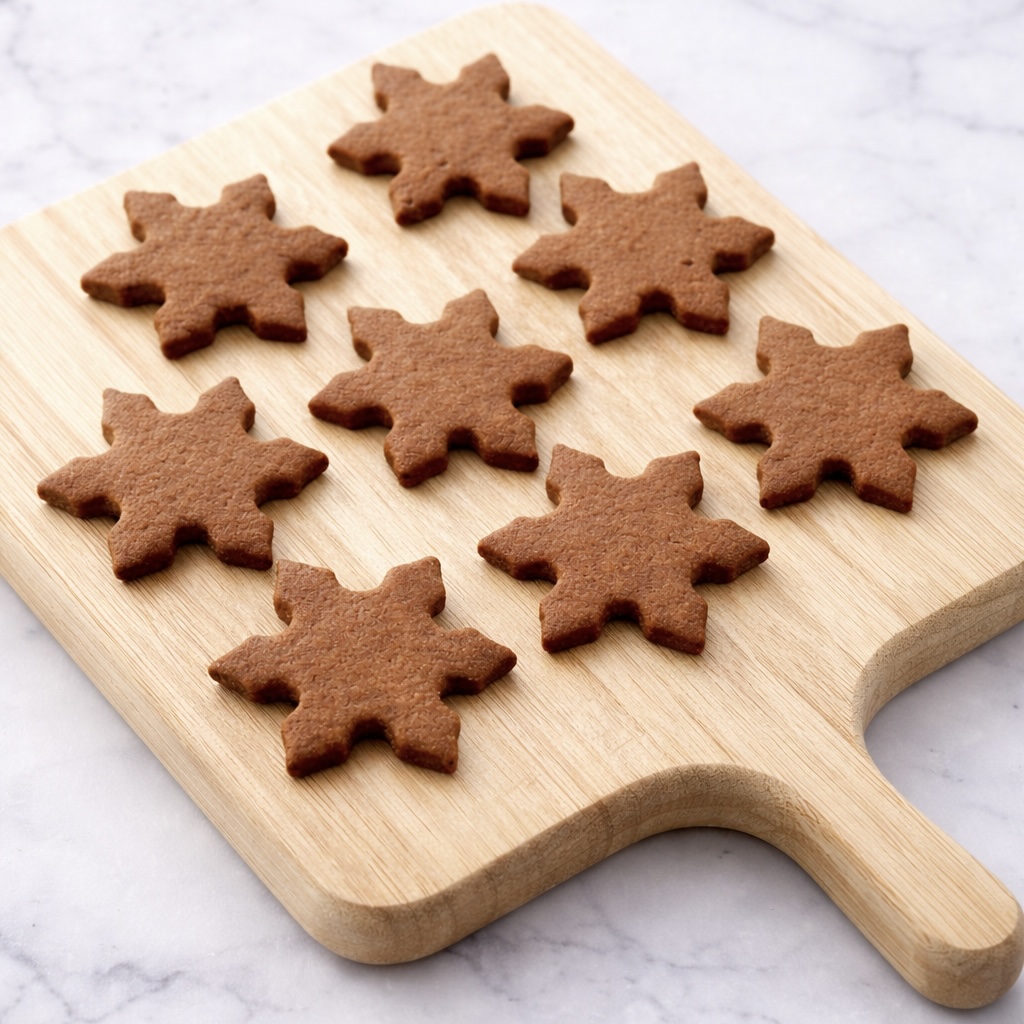
This is the traditional gingerbread cookie you cut into shapes, bake until set, and decorate once fully cooled.
Best for
- Cookie cutters
- Royal icing or simple glazes
- Decorating with kids
- Gingerbread houses or keepsake cookies
Texture
- Firm edges
- Structured center
- Holds frosting without breaking
This version relies on chilling and precise ratios to keep clean edges and prevent spread.
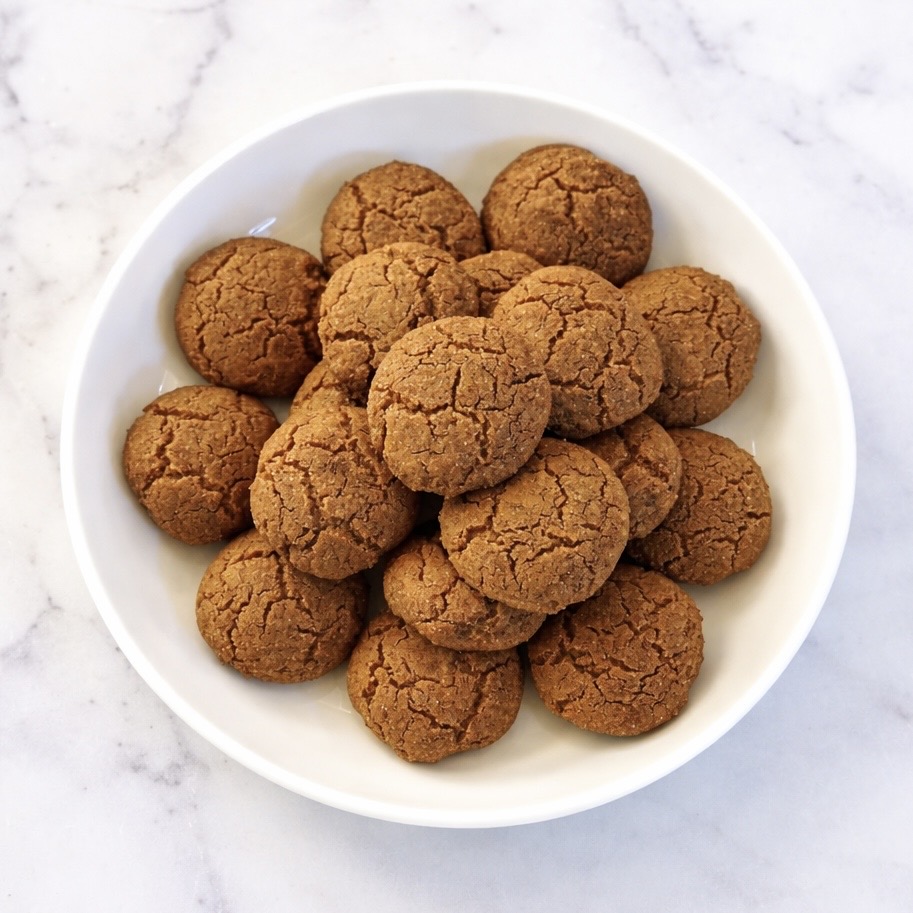
Soft & Chewy Ginger Cookies (Grain-Free, Tigernut)
Ingredients
- 1 1/4 cups tigernut flour (150 g)
- 1/4 cup powdered allulose (50 g)
- 1/3 cup grass-fed butter, ghee, or coconut oil, softened (75 g)
- 1 large egg (about 50 g, without shell)
- 1 tbsp blackstrap molasses (20 g)
- 1 tsp vanilla extract (5 g)
- 1 1/2 tsp ground ginger (3 g)
- 2 tsp ground cinnamon (about 4 g)
- 1/4 tsp ground cloves (0.5 g)
- 1/2 tsp baking soda (2.5 g)
- 1/2 tsp fine sea salt (about 3 g)
- 1/8 tsp monkfruit powder (optional, for extra sweetness)
Instructions
- Preheat oven to 325°F (165°C). Line a baking sheet with parchment.
- Cream the softened fat and powdered allulose until smooth. Add blackstrap molasses and cream again until fully blended.
- Mix in the egg and vanilla until fully incorporated.
- Stir in tigernut flour, spices, baking soda, salt (and optional monkfruit) until a soft, scoopable dough forms.
- Scoop 1 1/2-tablespoon portions, roll into balls, and gently flatten.
- Bake 9–11 minutes, removing when edges are set and centers still look soft.
- Cool on the pan for 5 minutes, then transfer to a rack to finish setting.
Nutrition (Approx. Per Serving)
Calories: ~95
Protein: ~1 g
Carbs: ~10 g
Fat: ~6 g
Key Nutrients
Magnesium: ~18 mg
Zinc: ~0.4 mg
Copper: ~0.1 mg
Estimated Cost
Organic / specialty: ~$9–12 per batch
Conventional / mixed pantry: ~$6–9 per batch
Estimates based on typical U.S. online prices.
Gingerbread Option #2: Soft & Chewy Ginger Cookies
This is the cozy counterpart — rolled into balls, baked just until set, and left soft in the center.
Best for
- Casual holiday baking
- Coffee or tea cookies
- No frosting required
- “Just one more” situations
Texture
- Soft centers
- Light crackle on top
- Chewy and warm-spiced
This version skips the chill time and leans into fat for tenderness.
Classic Roll-Out Gingerbread Cookies (Grain-Free, Tigernut)
Ingredients
- 1 3/4 cups tigernut flour (210 g)
- 2 tbsp tapioca starch (16 g)
- 1/4 cup powdered allulose (50 g)
- 2 tbsp blackstrap molasses (40 g)
- 1/4 cup + 1 tbsp grass-fed butter or ghee, softened (70 g)
- 1 large egg (about 50 g, without shell)
- 1 1/2 tsp ground ginger (3 g)
- 2 tsp ground cinnamon (4 g)
- 1/4 tsp ground cloves (0.5 g)
- 1/4 tsp ground nutmeg (0.5 g)
- 1/2 tsp baking soda (2.5 g)
- 1/4 tsp fine sea salt (1.5 g)
Instructions
- Whisk together all dry ingredients in a medium bowl.
- Cream the softened fat and powdered allulose until smooth. Add blackstrap molasses and cream again until fully blended.
- Beat in egg until fully incorporated.
- Mix dry ingredients into wet to form a firm dough.
- Wrap and chill dough for 30–60 minutes.
- Roll between parchment to about 1/4-inch (6 mm) thickness.
- Cut shapes and bake 10–12 minutes until edges are set. Cool completely before frosting or decorating.
Nutrition (Approx. Per Serving)
Calories: ~85
Protein: ~1 g
Carbs: ~9 g
Fat: ~5 g
Key Nutrients
Magnesium: ~16 mg
Zinc: ~0.3 mg
Copper: ~0.1 mg
Estimated Cost
Organic / specialty: ~$9–12 per batch
Conventional / mixed pantry: ~$6–9 per batch
Estimates based on typical U.S. online prices.
Which One Should You Make?
If you want:
- A decorating project → Roll-Out Gingerbread
- A cozy snack → Soft Ginger Cookies
- No wrong answers → Make both
They use similar ingredients, bake at the same temperature, and fill your kitchen with the same unmistakable holiday smell.
Simple Frostings & Glazes for Grain-Free Cookies
These frostings are intentionally simple—quick to mix, lightly sweet, and designed to complement gingerbread without overpowering it.
Simple Frostings & Glazes for Grain-Free Cookies
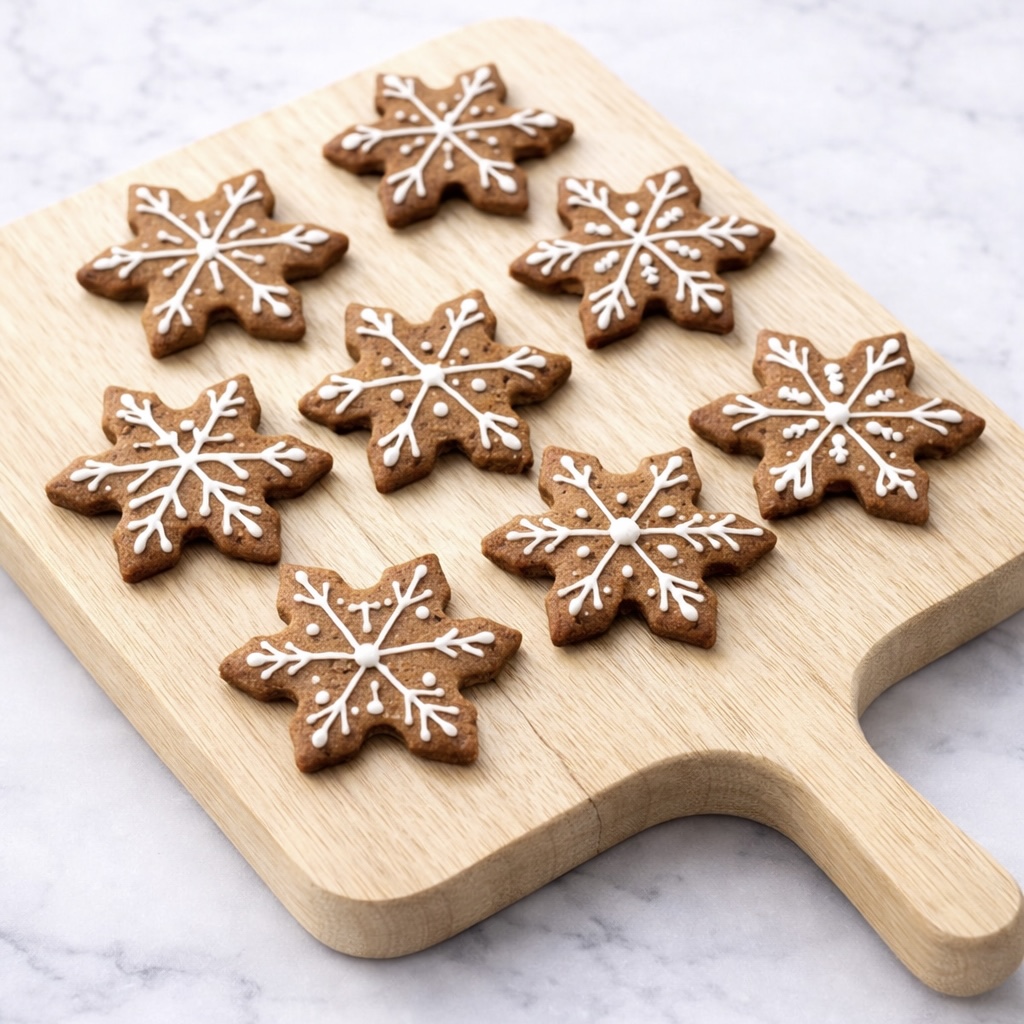
Simple Allulose Glaze (Base Recipe)
- 1 cup powdered allulose (120 g)
- 2–3 tbsp A2 milk or full-fat coconut milk (30–45 g)
- 1/2 tsp vanilla extract (2.5 g)
- Pinch fine sea salt
Instructions
- Whisk powdered allulose and salt in a small bowl.
- Add milk 1 tablespoon at a time, whisking until smooth.
- Stir in vanilla.
- Adjust consistency as needed: thinner for glazing, thicker for piping.
Flavor Variations
- Lemon Glaze: Add 1/2 tsp finely grated lemon zest and 1–2 tsp fresh lemon juice (reduce milk slightly).
- Lemon–Vanilla: Use both lemon zest and vanilla for a balanced, warm finish.
- Vanilla Only: Omit citrus for a clean, classic glaze.
Optional Cream Cheese Frosting (Richer Option)
- 4 oz cream cheese, softened (113 g)
- 2 tbsp grass-fed butter, softened (28 g)
- 1/2 cup powdered allulose (60 g)
- 1/2 tsp vanilla extract or lemon zest
- 1–2 tbsp A2 milk or coconut milk, as needed
Instructions
- Beat cream cheese and butter until smooth.
- Add powdered allulose and flavoring; beat again.
- Add milk gradually until desired consistency is reached.
Notes
This frosting is intentionally light and not overly sweet, allowing the gingerbread cookies to remain the focus.
These recipes aren’t about restriction. They’re about keeping traditions alive when your ingredients have changed — without sacrificing flavor, texture, or joy.
Because sometimes food is nourishment.
And sometimes it’s memory.
xo,
Brenna
Ingredient Cost Transparency
Because ingredient costs vary wildly depending on sourcing, brand, and pantry staples, estimated costs are included with each recipe — but you can also calculate your own based on what you actually use.
Ingredient Cost Calculator (Edit With Your Prices)
Enter your package price and size to estimate the cost per batch. Prices vary by brand, sourcing, and location.
| Ingredient | Package $ | Pkg oz | Used oz | Cost |
|---|---|---|---|---|
| Tigernut flour | $0.00 | |||
| Tapioca starch (optional) | $0.00 | |||
| Powdered allulose | $0.00 | |||
| Monkfruit (optional) | $0.00 | |||
| Butter / ghee / coconut oil | $0.00 | |||
| Egg | $0.00 | |||
| Blackstrap molasses | $0.00 | |||
| Vanilla extract | $0.00 | |||
| Spices (ginger/cinnamon/cloves/etc.) | $0.00 | |||
| Baking soda + salt | $0.00 |
Total batch cost: $0.00